Post-War London
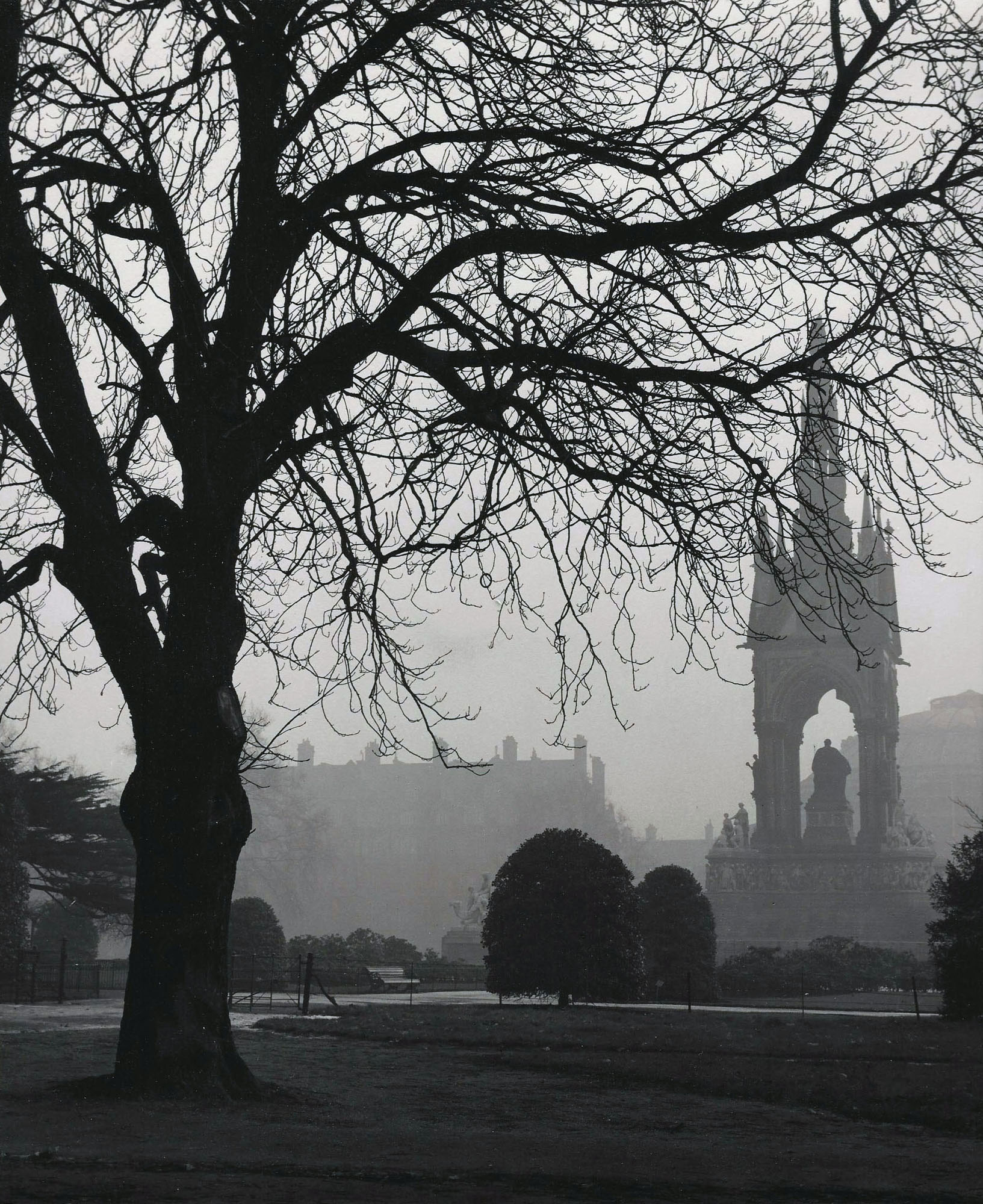
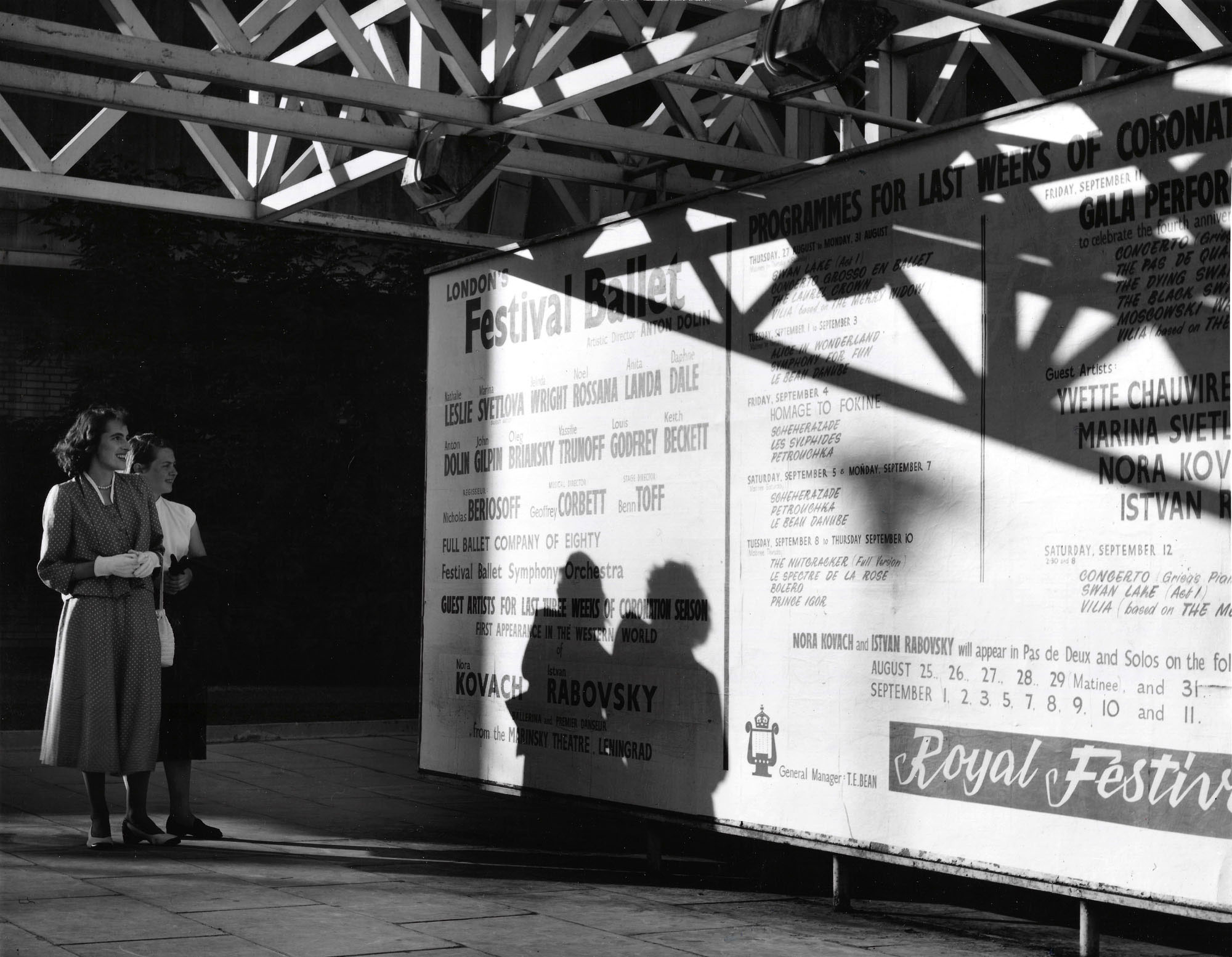
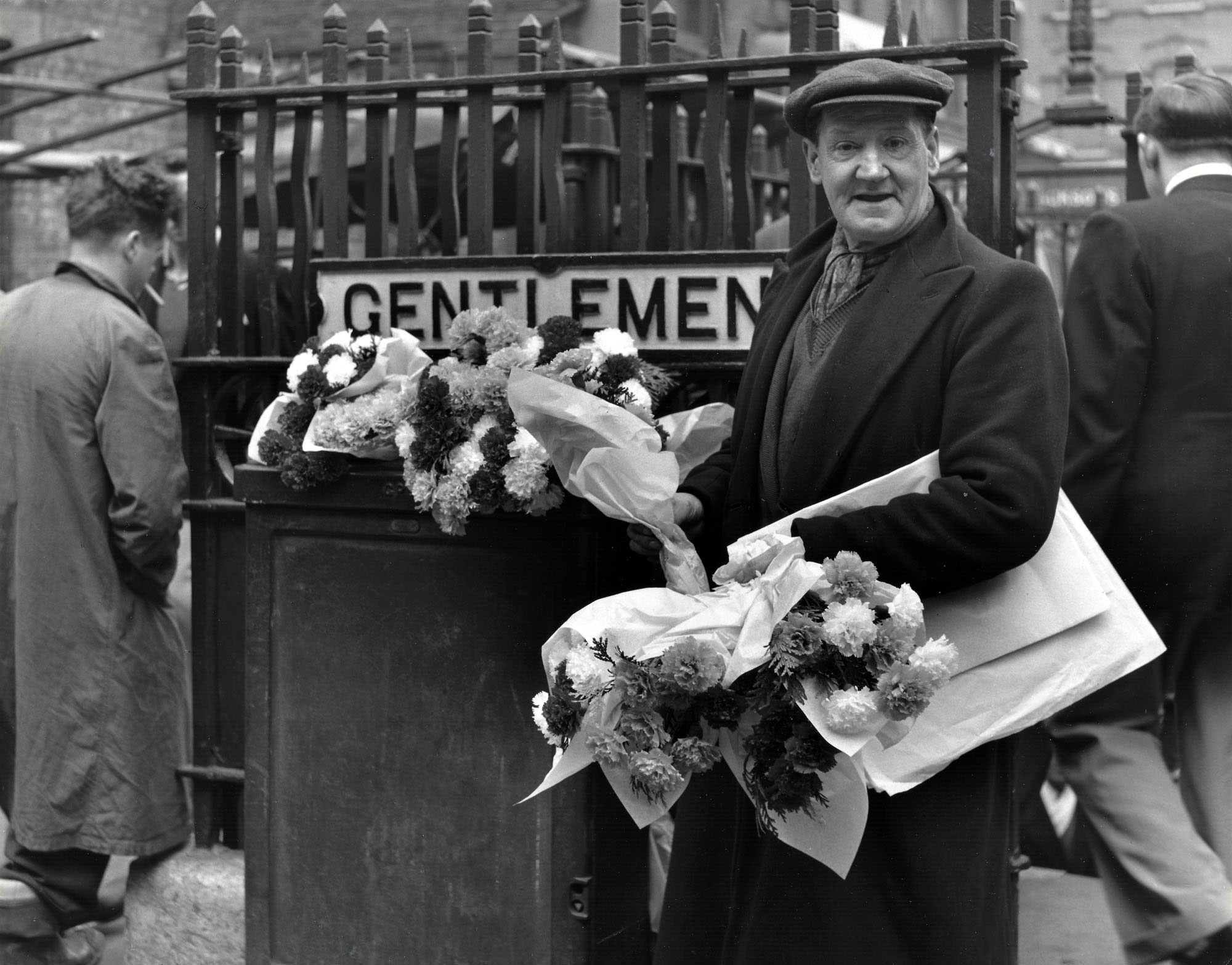
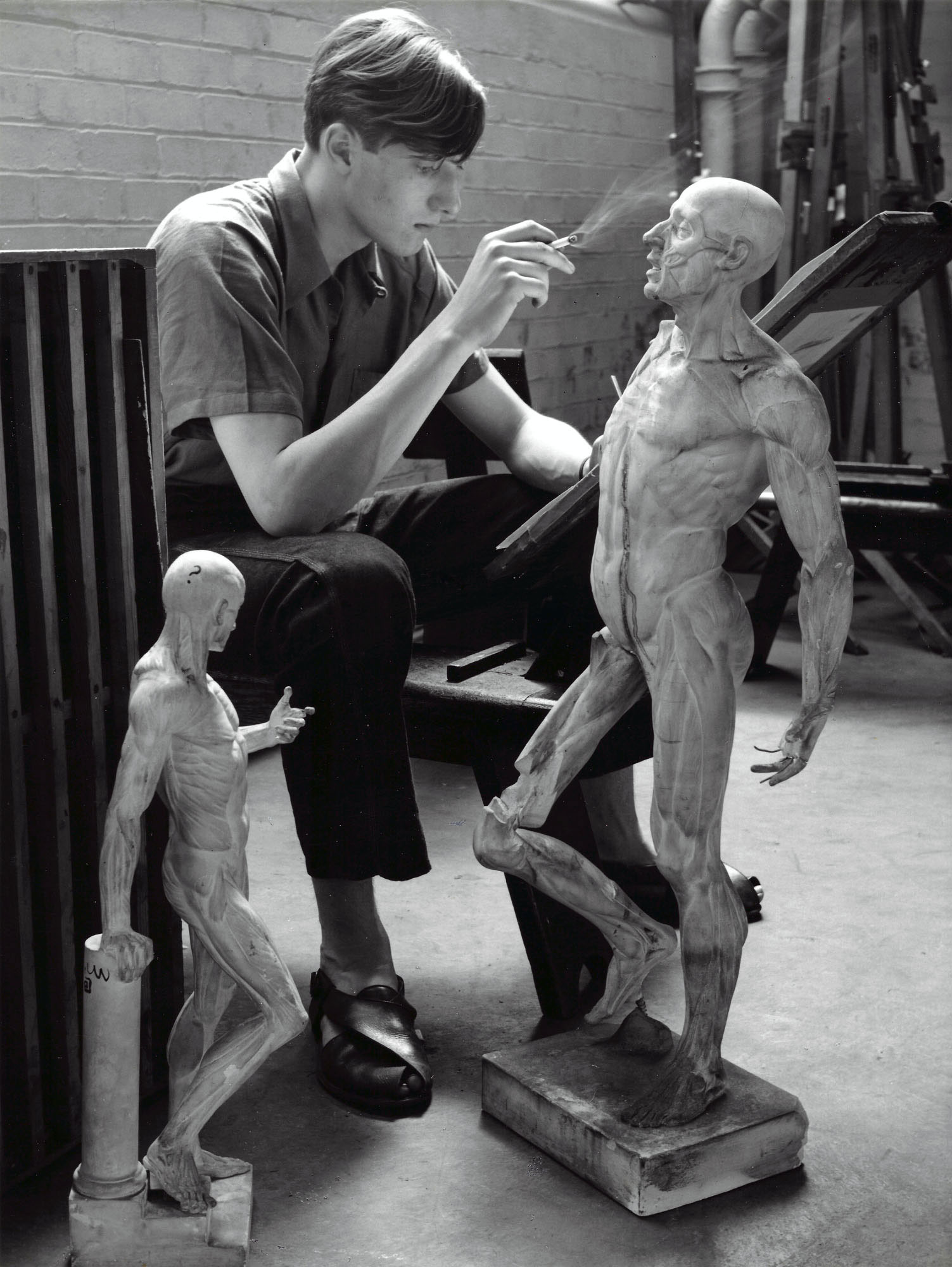
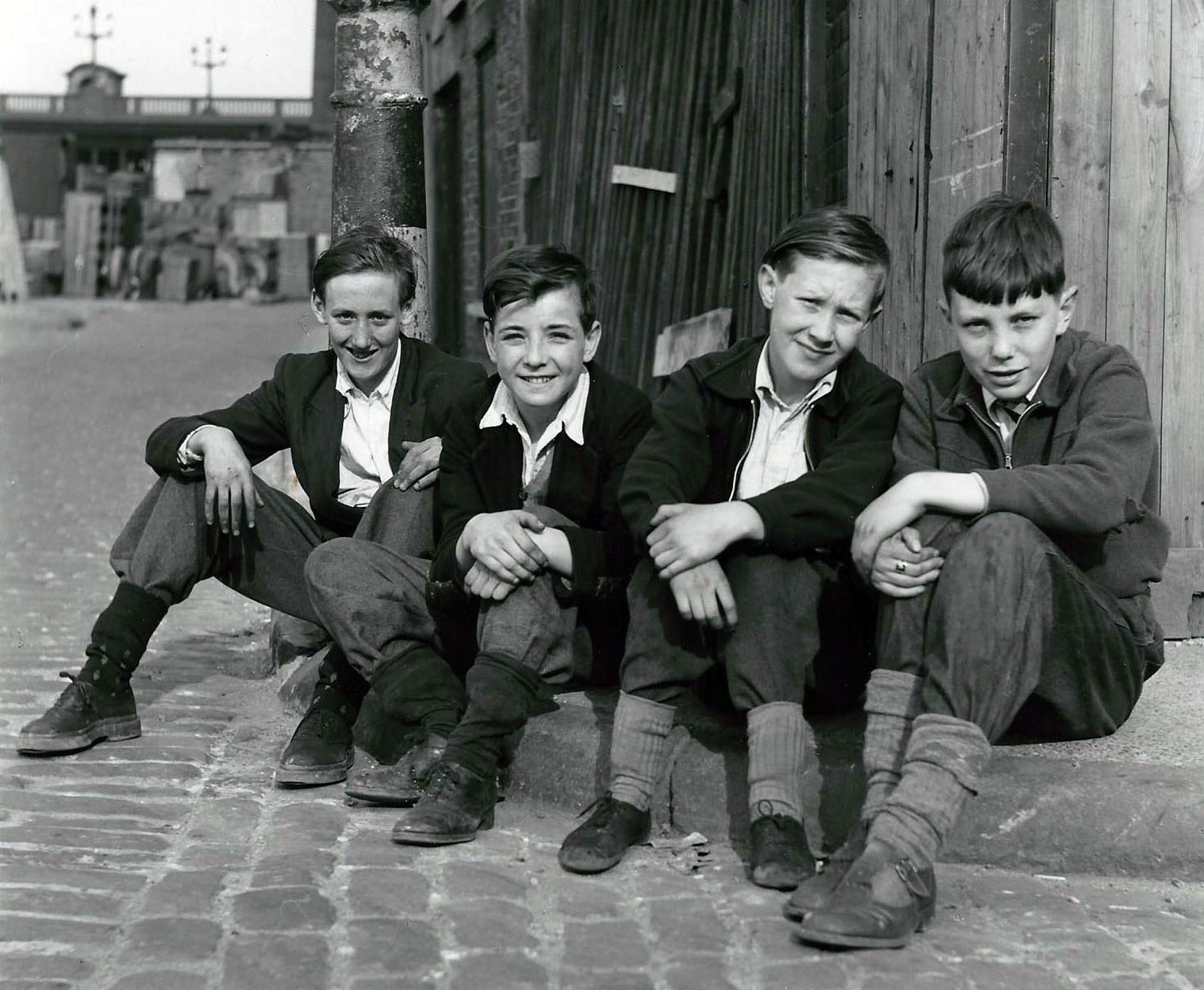
In the years following the Second World War, London became one of Joseph McKenzie’s earliest and most enduring photographic subjects. Starting in 1947 Joseph McKenzie recorded life in and around London until the end of 1963 when he moved to Scotland.
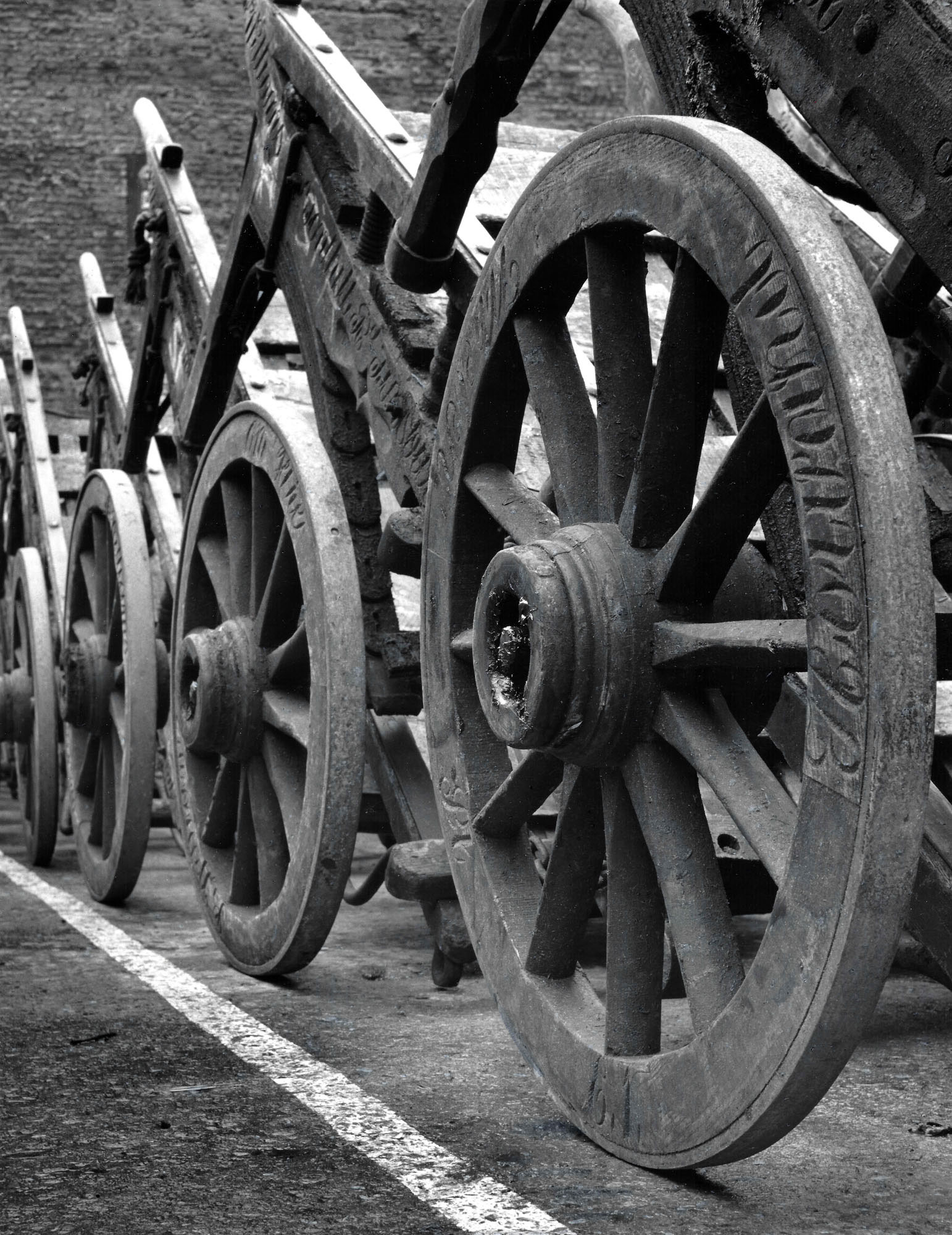
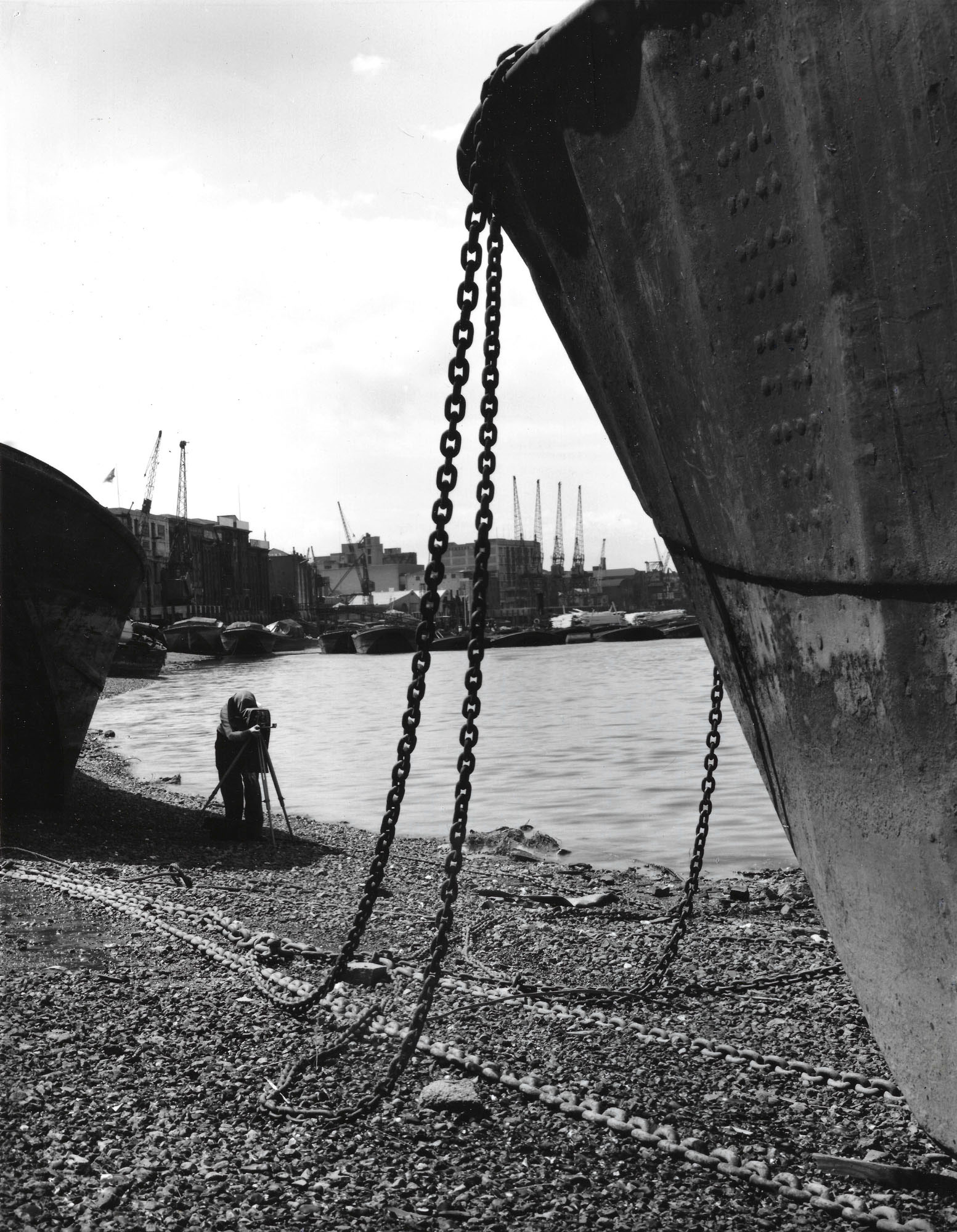
McKenzie went everywhere with a camera. It was a habit established early in his life and one that remained with him throughout his career: wherever he travelled, the camera travelled with him. He photographed what he encountered rather than setting out simply in search of predetermined subjects, creating an instinctive and increasingly extensive record of everyday life.
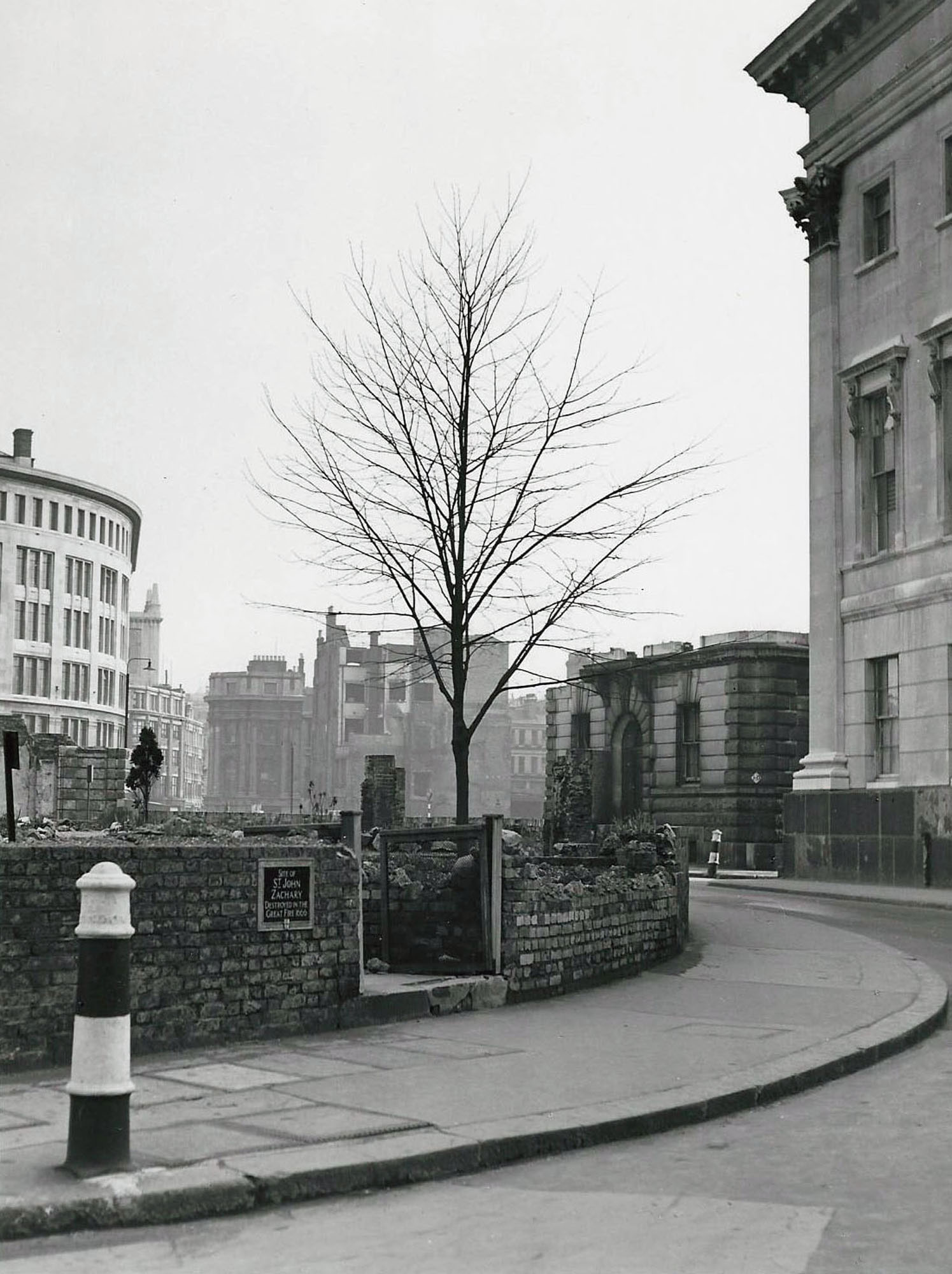
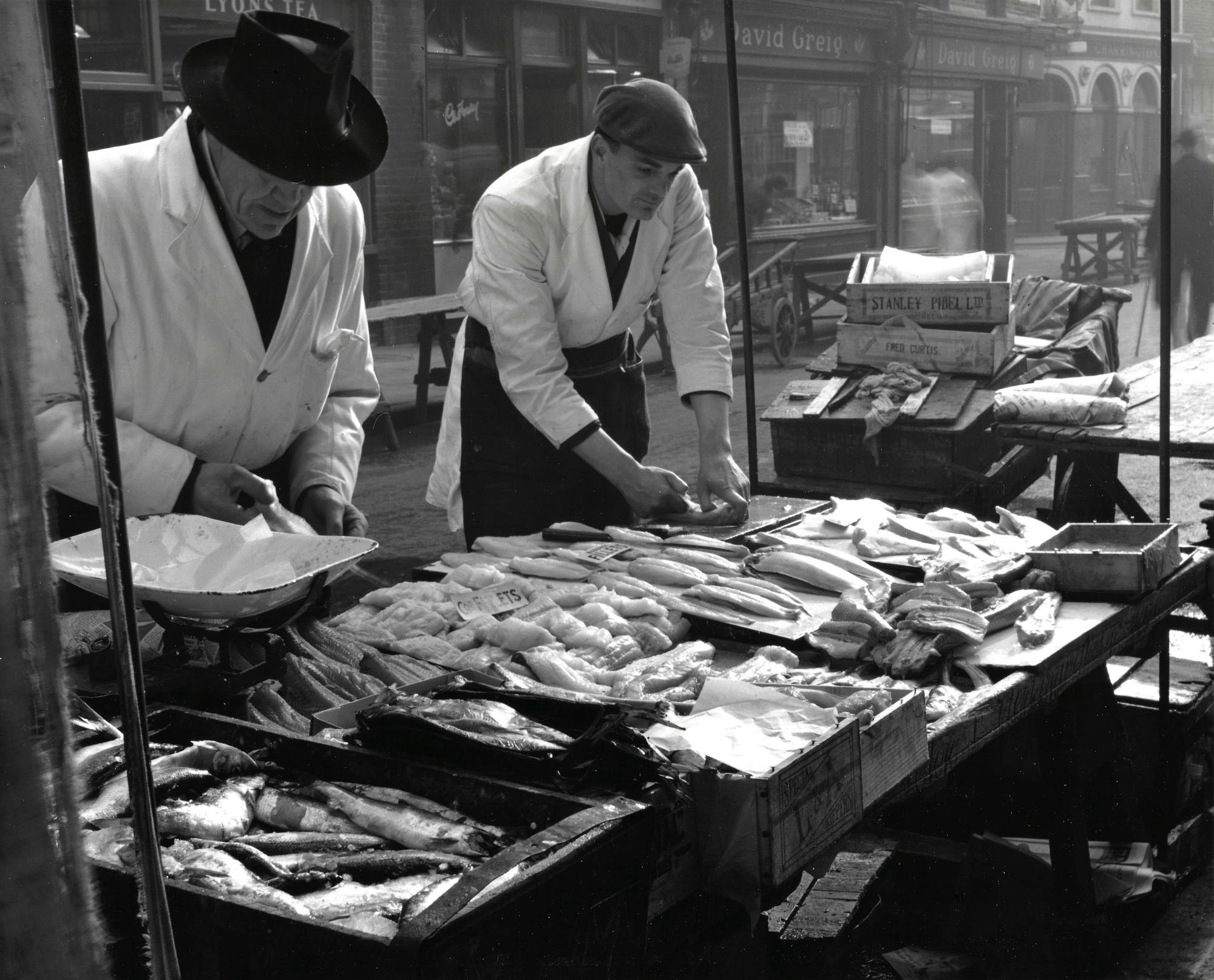
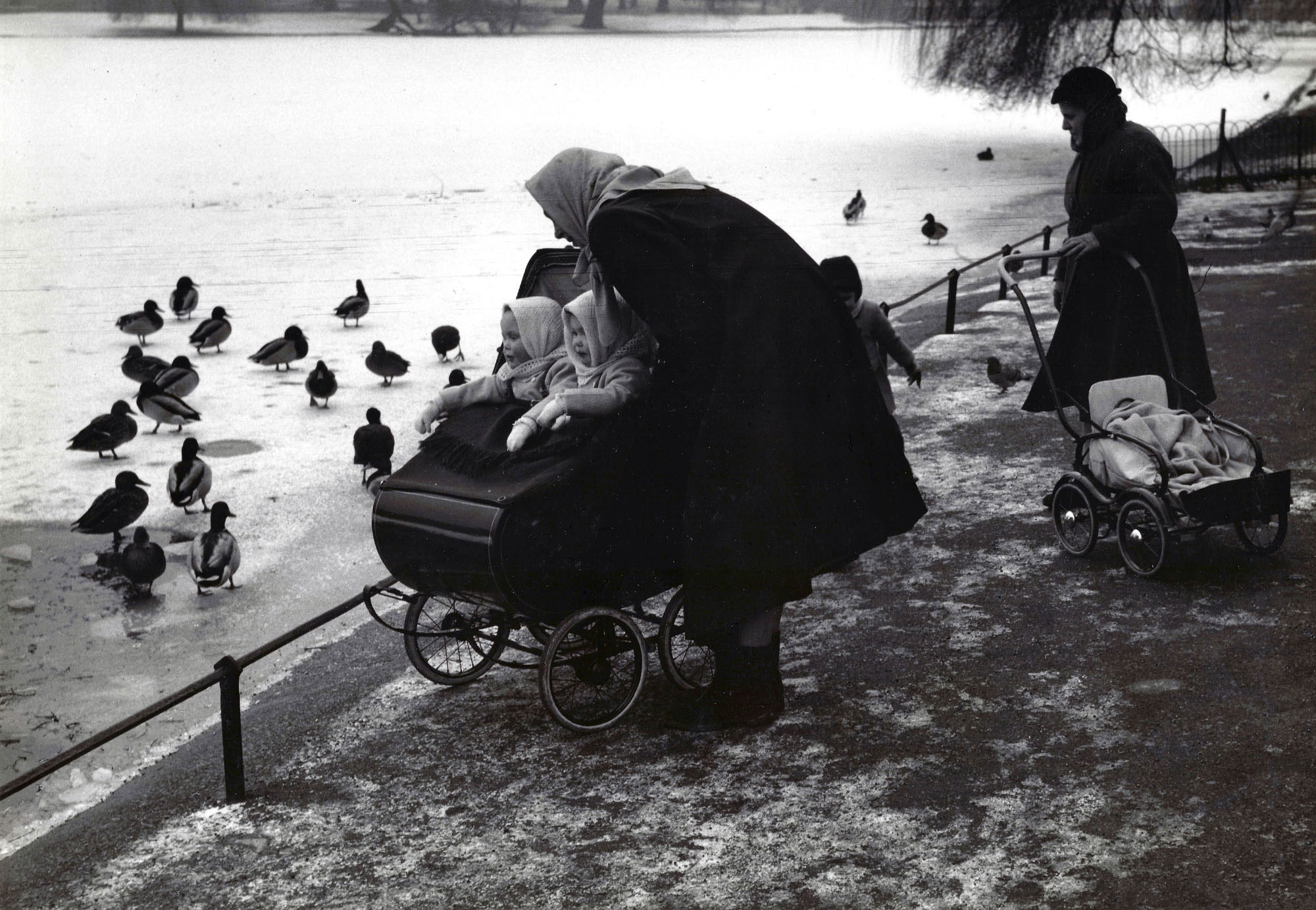
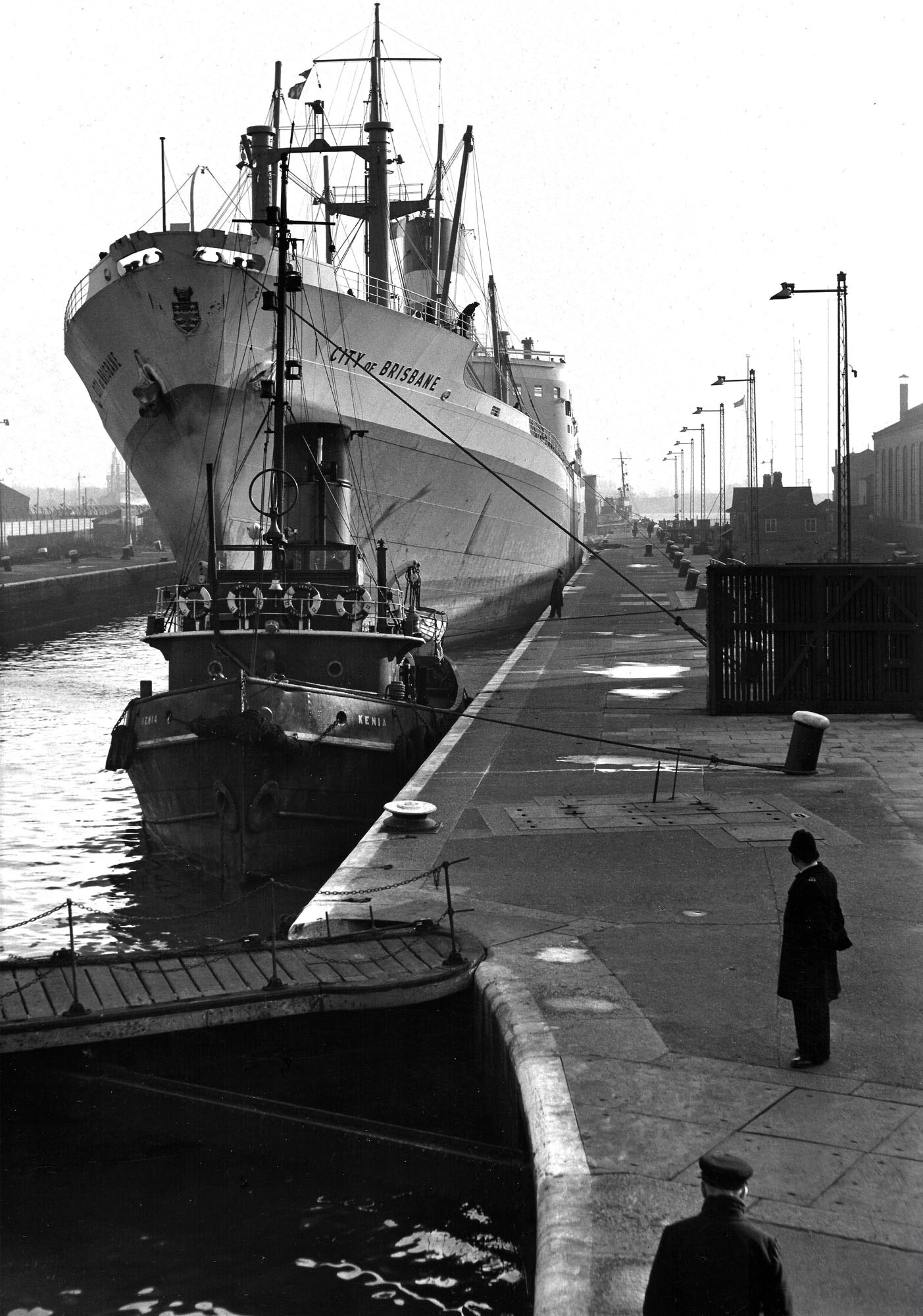
In post-war London, this meant recording a city still bearing the physical scars of conflict. Bomb-damaged buildings and empty sites existed alongside streets, markets and communities gradually returning to everyday life, providing McKenzie with an extraordinary landscape of destruction, recovery and change.
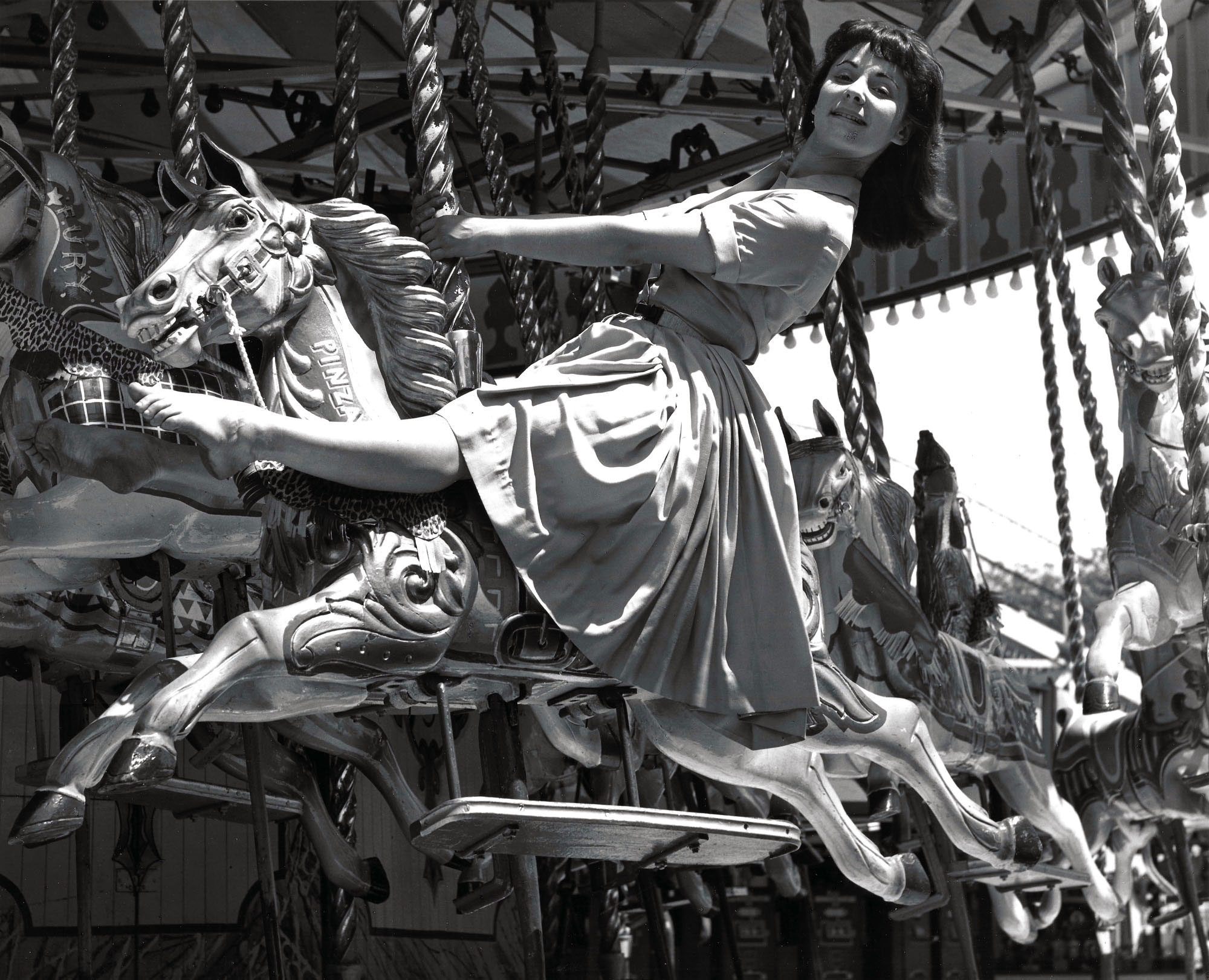
These early photographs reveal many of the qualities that would come to characterise his later documentary work: an acute observation of people and their surroundings, an interest in ordinary life, and an instinct to preserve moments that might otherwise disappear without record.
Post-War London provides a compelling glimpse of both a city in transition and a young photographer developing the way of seeing that would remain with him throughout his life.